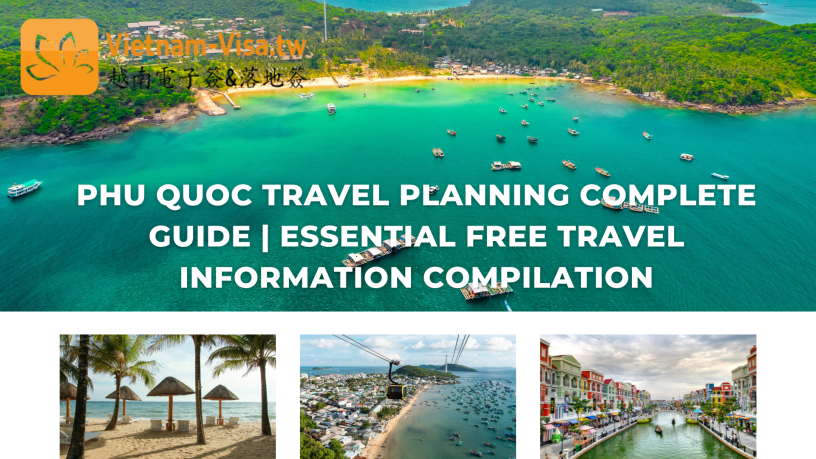
Are you planning a pre-departure checklist for a trip to Phu Quoc, Vietnam, but unsure about the climate, what to pack, where to go, or how to handle visas? Many first-time travelers to Vietnam face the same confusion. According to statistics, over 65% of first-time visitors worry about inadequate preparation or missing important details before their trip. Don’t worry! This Phu Quoc free travel guide will answer all your questions. From the steps to apply for a Vietnam tourist visa, a must-pack checklist, to local transportation options and attraction recommendations, we’ve got you covered.
First, understanding how to apply for a Vietnam visa is the first step in your journey. Additionally, the recommended attractions and itinerary for a Phu Quoc free trip are key concerns for many travelers. Of course, practical information such as what to prepare for Vietnam, currency exchange, and local internet options is equally indispensable.
Most importantly, this up-to-date guide will make the process of applying for a Vietnam free travel visa and other preparations effortless. Let’s embark on this perfect Phu Quoc adventure together!
I. Pre-Departure Preparation: Visa, Flights, and Luggage
Thorough preparation before traveling to Phu Quoc, Vietnam, is crucial to ensuring a smooth journey. From visa applications to flight bookings and packing, each step requires careful planning. Let’s go through how to fully prepare for your Phu Quoc trip.
How to Apply for a Vietnam Visa (Special Regulations for Phu Quoc)
As a special economic zone in Vietnam, Phu Quoc enjoys a unique visa-free policy, making travel to the island more convenient.
-
30-Day Visa-Free Entry to Phu Quoc:
If you are flying directly to Phu Quoc and your passport is valid for at least six months beyond your return date, you are eligible for a 30-day visa-free stay. This greatly simplifies pre-trip preparations. -
Exceptions:
-
Passport validity less than six months: If your passport expires within six months of your return date, even if flying directly to Phu Quoc, you must apply for a Visa on Arrival (VOA). Be sure to check your passport’s validity before departure.
-
Non-direct flights to Phu Quoc: If your itinerary does not involve a direct flight to Phu Quoc (e.g., flying to Ho Chi Minh City or Hanoi first and then transferring to Phu Quoc), you will need to apply for a Vietnam e-Visa or another type of visa based on your nationality.
-
Vietnam E-Visa and Visa on Arrival Application Process (If Not Flying Directly to Phu Quoc or Passport Validity Is Insufficient)
Currently, the Vietnam e-Visa is the most popular visa option, valid for up to 90 days and supporting single or multiple entries. If you are not flying directly to Phu Quoc, consider applying for this. Alternatively, if your passport has less than six months of validity, apply for a Visa on Arrival.
The application process is relatively simple:
-
Visit an agency website to apply (choose e-Visa or Visa on Arrival): https://www.vietnam-visa.tw/apply/
-
Fill in personal details and upload the required documents
-
Pay the e-Visa fee
-
Wait for approval
When applying, ensure your passport is valid for at least six months beyond your arrival date and has at least two blank pages. Additionally, prepare a passport-sized photo (white or blue background) and a digital copy of your passport’s personal details page.
Standard processing time is 5-7 working days, so it’s advisable to apply 1-2 weeks before departure. For urgent cases, expedited processing services are available, with completion in as little as 1-2 working hours, though fees are higher.
Note that about 20% of applicants on the official website may wait more than five working days for approval, especially during peak travel seasons. Therefore, planning is essential.
Choosing the Right Flight
Selecting the right flight can save you a significant amount on your Phu Quoc trip. Here are some money-saving tips:
-
Booking tickets 2-3 months in advance usually yields better prices.
-
Avoid peak seasons like Lunar New Year or long holidays.
-
Flights departing Monday to Thursday, or early morning/late night flights, are often cheaper.
Currently, there are two main airline options for flights to Vietnam:
-
Vietnam Airlines: The national carrier offers full-service flights, including free checked baggage, in-flight meals, and comfortable seating. Flight schedules are more stable, making it suitable for travelers with connecting flights. Note: Vietnamese passengers may enjoy additional baggage allowances.
-
VietJet Air: A well-known Vietnamese budget airline, famous for its low fares and frequent promotions. However, basic fares do not include checked baggage or meals, and changes or refunds are not permitted after booking. Flight delays are relatively common, so allow flexibility in your schedule.
Additionally, follow airline websites and social media for promotions, especially VietJet Air’s daily “0 VND Ticket” event from 12:00 to 14:00, which may offer surprise deals.
Packing Checklist and Considerations
Packing for a Phu Quoc free trip should account for the local climate. Here’s a list of essentials:
-
Basic Documents:
-
Passport (valid for at least six months, especially for Phu Quoc’s visa-free policy)
-
Vietnam e-Visa (if required)
-
Passport photocopy (backup)
-
Flight and accommodation confirmation documents
-
-
Clothing Choices:
Phu Quoc has a hot and humid climate, with an average annual temperature of around 27°C (81°F). The rainy season lasts from May to October, so pack lightweight rain gear, quick-dry T-shirts, shorts, sandals, or breathable shoes. Even in hot weather, a light jacket is recommended for air-conditioned indoor spaces. Swimsuits and beachwear are must-haves for an island getaway. -
Sun Protection & Personal Items:
Phu Quoc has intense sunlight and high UV levels, so SPF 50+ sunscreen, hats, and sunglasses are essential. Don’t forget personal medications, toiletries, and a travel adapter (Vietnam uses Type A, C, and D plugs, with 220V voltage). -
Currency & Payments:
Prepare around $500–$1,000 USD per day, which can be exchanged locally. While many places accept credit cards, some merchants may charge over 3% in fees. Cash remains the primary payment method in Phu Quoc.
When packing, using compartmentalized packing cubes can keep items organized and save space. Keep frequently used items and important documents in easily accessible but secure spots for convenience and safety during your trip.

II. Practical Information Upon Arrival in Vietnam
After successfully arriving in Phu Quoc, you’ll immediately face several practical questions. Understanding local voltage standards, internet options, and basic communication methods will significantly enhance your free travel experience in Phu Quoc.
Vietnam’s Electrical Outlets and Voltage Standards
Vietnam operates on 220V voltage at 50Hz, the same as Taiwan. Therefore, travelers from Taiwan do not need a voltage converter, as most electronics can be used directly. However, plug types differ. Vietnam primarily uses three plug standards:
-
Type A (two flat pins)
-
Type C (two round pins)
-
Type F (similar to Type C but with grounding clips)
Since Taiwan mostly uses flat plugs, bringing a universal travel adapter is recommended to accommodate different outlets. Note that voltage may be unstable in remote areas, so use valuable electronics with caution.
Internet Options in Vietnam
Vietnam currently has four major telecom providers, each with its own features:
-
Viettel: The largest state-owned telecom, with 50% market share, offers the widest and most stable network coverage but at higher prices.
-
MobiFone: The second-largest provider, with about 20% market share, offers more affordable prices and is popular among foreign travelers.
-
VinaPhone: Cheap but may only provide 3G signals in rural or mountainous areas.
-
Vietnamobile: Offers ultra-low-cost plans but has poor coverage, mostly limited to 3G.
There are three ways to purchase a SIM card:
-
Buy one in Taiwan before departure.
-
Purchase at Vietnam’s airports upon arrival.
-
Buy at local convenience stores.
Vietnam’s average internet speed is around 31.8 Mbps (4G level), which may feel slow for those accustomed to 5G.
III. Transportation Options for Free Travel in Phu Quoc
Understanding local transportation choices is key to saving time and effort while traveling in Phu Quoc. From airport transfers to city tours and countryside exploration, each mode of transport has its advantages.
Grab Ride-Hailing and Taxis
The most convenient way to get around Phu Quoc is via Grab, Southeast Asia’s equivalent of Uber. This ride-hailing app is extremely popular in Vietnam, offering services like cars, motorbikes, and even deliveries. To use it:
-
Download the Grab app.
-
Register an account and verify via SMS.
-
Enter your destination, and the app will display the fare upfront, avoiding disputes with drivers.
Besides Grab, other ride-hailing platforms like Be Taxi and Gojek are available. Be Taxi offers various promotions, making it ideal for budget travelers.
For traditional taxis, reputable companies like Vinasun are recommended. These taxis use meters, and drivers are generally reliable. However, hailing cabs on the street may result in higher fares or detours.
Motorbike Rentals and Private Cars/Taxis
To experience local Phu Quoc life, consider renting a motorbike. Most hotels offer rental services for around 170,000 VND (~ $7) per day. The rental process is simple, usually requiring no complex contracts or international driver’s licenses.
Note that Vietnamese traffic laws mandate helmet use for motorbike riders, with fines ranging from 400,000–600,000 VND (~$17–$25) for violations. While Phu Quoc’s traffic is less chaotic than Hanoi’s, road safety remains important.
For travelers unfamiliar with local roads or those with elderly/children, private cars or taxis are more comfortable. Pre-booking airport transfers or day-trip car rentals can make travel hassle-free.
Transportation from the Airport to the City
From Phu Quoc International Airport to the city center, options include:
-
Airport Shuttle Buses: Some hotels offer free or paid shuttle services—check when booking accommodations.
-
Grab or Taxi: The most convenient option, especially for groups or those with luggage. A ride to Duong Dong town costs 150,000–250,000 VND (~$6–$10) and takes 15–20 minutes.
-
Hotel Transfers: For a seamless experience, pre-book airport transfers. Fixed prices ensure quality service.
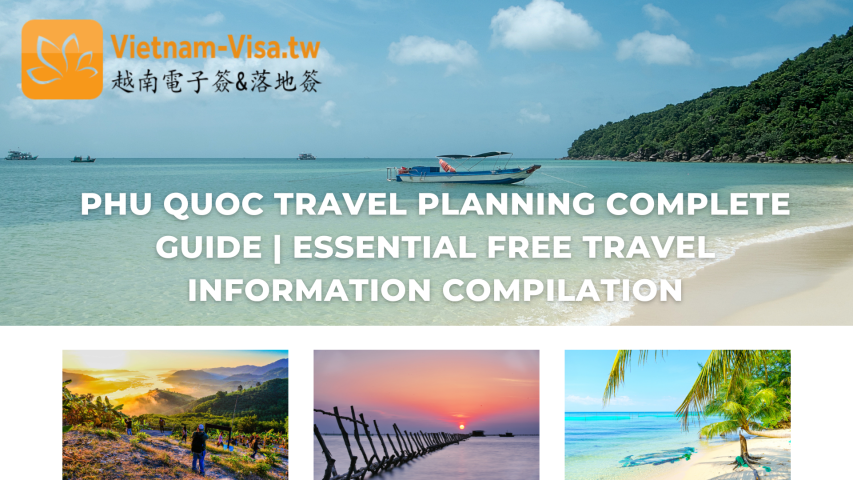
IV. Itinerary Planning and Attraction Recommendations
Now that you’ve mastered pre-trip preparations and practical information, it’s time to plan an exciting Phu Quoc travel itinerary. This tropical island, with its sunny beaches, fresh seafood, and unique natural landscapes, promises unforgettable memories.
Explore Natural Beauty & Beach Resorts
Phu Quoc is famous for its white sandy beaches and crystal-clear waters, making it an ideal relaxation destination.
-
Sao Beach (Bãi Sao): One of Phu Quoc’s most famous beaches, known for its powder-soft white sand and emerald waters. Swim, sunbathe, or enjoy water sports here.
-
Long Beach (Bãi Dài): A 20 km coastline perfect for sunset views. Lined with resorts, restaurants, and bars, it’s great for strolls.
-
Grand World Phu Quoc: A large entertainment complex with Venetian-style architecture, canals, performances, and shopping. The nighttime light and water shows are spectacular.
-
Dinh Cau Night Market (Chợ Đêm Dinh Cầu): A must-visit night market offering fresh seafood, local snacks, and souvenirs.
-
Pepper Farms: Phu Quoc is renowned for its pepper. Tour a farm to learn about cultivation and buy fresh pepper products.
-
Pearl Farms: The island is also famous for pearl cultivation. Visit a farm to see how pearls are produced and shop for high-quality pearl jewelry.
Marine Adventures & Water Activities
The surrounding waters are perfect for snorkeling and diving.
-
Thom Island Nature Park & Cable Car: Ride the world’s longest overseas cable car for breathtaking views, then visit Sun World Nature Park for water parks and beach activities.
-
Island-Hopping Snorkeling/Diving: Join island-hopping tours to nearby islets like Gam Ghi Island or May Rut Island for underwater exploration.
-
Mud Bath & Hot Springs: Relax with therapeutic mud baths and hot springs after a day of adventure.
Savor Local Cuisine
Phu Quoc is famous for its fresh seafood and unique dishes.
-
Seafood BBQ: Try grilled fish, shrimp, and squid at Dinh Cau Night Market or local restaurants.
-
Vietnamese Seafood Hotpot (Lẩu Hải Sản): A flavorful hotpot with rich seafood broth.
-
Fish Sauce (Nước Mắm): Phu Quoc is a major producer of Vietnam’s famed fish sauce—try local dishes featuring it.
-
Egg Coffee (Cà Phê Trứng): A Hanoi specialty, but some Phu Quoc cafés also serve this unique drink.
-
Local Specialties: Beyond pepper and fish sauce, Phu Quoc offers tropical fruits like mangoes and jackfruit.
Evening/Night – Shows & Night Markets
-
Dinh Cau Night Market: Revisit for more seafood, Vietnamese street food, and souvenirs.
-
Sunset Bars: Sip a drink at Long Beach or Sao Beach while watching the sunset.
-
Live Music: Some resorts and restaurants host live performances for a relaxing dining experience.
We hope this Phu Quoc travel guide helps you plan an amazing trip!

 vietnamtravel.tw