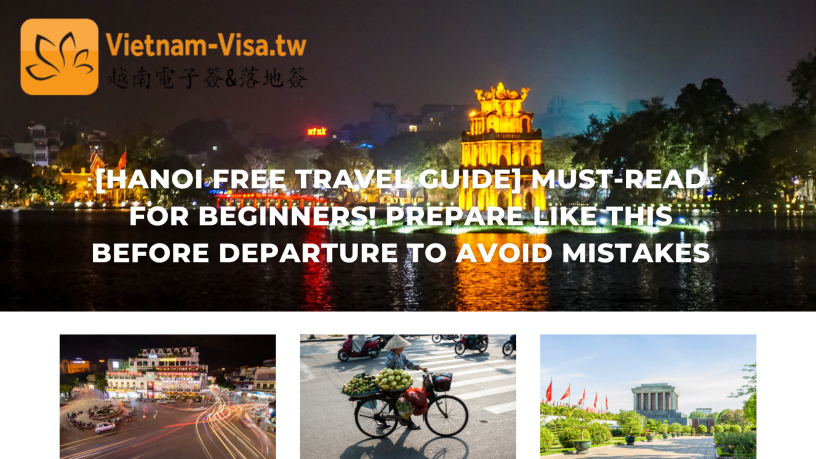
Planning a trip to Hanoi, Vietnam, but unsure about the climate, what to pack, where to go, or how to handle visas?
Many first-time travelers to Vietnam face the same concerns. Statistics show that over 65% of first-time visitors worry about inadequate preparation or missing important details before their trip.
Don’t worry! This Hanoi free travel guide will answer all your questions. From the step-by-step process of applying for a Vietnamese tourist visa to a checklist of essential items, local transportation options, and recommended attractions, we’ve got you covered.
First, understanding how to apply for a Vietnamese visa is the first step in your journey. Additionally, the recommended attractions and itinerary for a Hanoi free trip are key concerns for many travelers. Of course, practical information such as what to pack, currency exchange, and local internet options are also essential.
Most importantly, this updated guide will make applying for a Vietnamese visa and preparing for your trip a breeze. Let’s embark on this perfect Hanoi adventure together!
1. Pre-Departure Preparation: Visa, Flights & Packing
Thorough preparation before traveling to Vietnam is key to ensuring a smooth trip. From visa applications to flight bookings and packing, every step requires careful planning. Let’s go through the details of preparing for your Hanoi trip.
How to Apply for a Vietnam E-Visa
Currently, the Vietnam Electronic Visa (e-Visa) is the most popular option, valid for up to 90 days and supporting single or multiple entries. The application process is relatively simple:
-
Visit the official Vietnam e-Visa website or an agency site: https://www.vietnam-visa.tw/apply/
-
Fill in personal details and upload the required documents
-
Pay the e-Visa fee
-
Wait for approval
Requirements:
-
Passport must be valid for at least 6 months from the date of entry and have at least 2 blank pages.
-
A passport-sized photo (white or blue background) and a scanned copy of the passport’s personal information page.
Standard processing time is 5-7 business days, so it’s best to apply 1-2 weeks before departure. For urgent processing, expedited services are available (as fast as 1-2 business hours), but fees are higher.
Note: About 20% of applicants on the official website may wait more than 5 business days for approval, especially during peak travel seasons. Early planning is crucial.
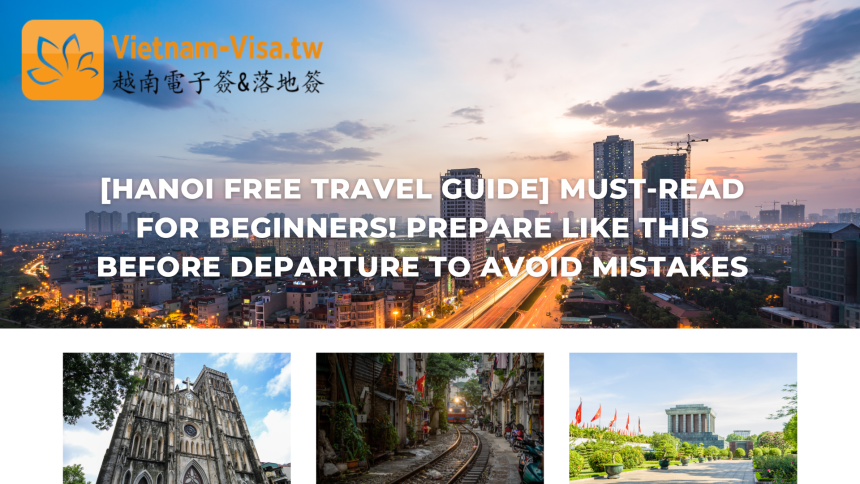
2. How to Choose the Cheapest Flights
Choosing the right flights can save you a lot of money. Here are some money-saving tips:
-
Book 2-3 months in advance for better prices.
-
Avoid peak seasons like Lunar New Year or long holidays.
-
Flights departing Monday–Thursday and early morning/late-night flights are usually cheaper.
Major airlines flying to Vietnam:
-
Vietnam Airlines (National carrier)
-
Full-service airline (includes checked baggage, meals, and comfortable seating).
-
More reliable schedules, ideal for travelers with connecting flights.
-
Note: Vietnamese passengers may get extra baggage allowances.
-
-
VietJet Air (Budget airline)
-
Known for low fares and frequent promotions.
-
Basic fares exclude checked baggage and meals.
-
No changes/refunds allowed after booking.
-
Higher chance of delays—plan extra buffer time.
-
Pro Tip: Follow airline websites and social media for flash sales. VietJet Air often offers “0 VND ticket” promotions between 12:00–14:00 daily.
3. Packing List & Essentials
Packing for Vietnam requires considering the local climate. Here’s a must-bring checklist:
Essential Documents:
-
Passport (valid for 6+ months)
-
Vietnam e-Visa (printed copy)
-
Passport photocopy (backup)
-
Flight & hotel confirmations
Clothing:
-
Lightweight, quick-dry T-shirts, shorts, sandals/breathable shoes.
-
Rain gear (May–Oct is rainy season).
-
A light jacket (for strong air conditioning indoors).
Sun Protection & Personal Items:
-
SPF50+ sunscreen, hat, sunglasses (Vietnam has strong UV rays).
-
Personal medication & toiletries.
-
Universal adapter (Vietnam uses Type A/C/D plugs, 220V voltage).
Money & Payments:
-
Bring USD 500–1000 to exchange locally.
-
Credit cards are accepted but some merchants charge 3 %+ fees.
Packing Tip: Utilize compression packing cubes to save space and maintain organization. Keep important documents easily accessible but secure.

4. Useful Info After Arrival in Vietnam
Once you arrive, you’ll need to handle a few practical matters. Understanding power outlets, internet options, and basic communication will enhance your Hanoi trip.
Vietnam Power Outlets & Voltage
-
Voltage: 220V (same as Taiwan, no converter needed).
-
Plug Types:
-
Type A (two flat pins)
-
Type C (two round pins)
-
Type F (two round pins + grounding clip)
-
-
Bring a universal adapter for compatibility.
Internet & SIM Cards
Vietnam has four major telecom providers:
| Provider | Coverage | Speed | Price | Best For |
|---|---|---|---|---|
| Viettel (State-owned) | Best (50% market share) | Fast 4G | Higher | Reliability |
| MobiFone | Good (20% share) | Decent | Mid-range | Budget travelers |
| VinaPhone | Decent (rural = 3G) | Average | Cheap | Short stays |
| Vietnamobile | Limited (mostly 3G) | Slow | Cheapest | Emergency use |
Where to Buy SIM Cards:
-
Pre-purchase online before departure.
-
At Vietnam airports (kiosks available).
-
Local convenience stores.
Note: Average internet speed is ~31.8Mbps (4G), slower than 5G standards.
5. Getting Around Hanoi
Understanding local transport options saves time and hassle. Here’s how to navigate Hanoi:
Grab (Ride-Hailing) & Taxis
-
Grab (Southeast Asia’s Uber) is the most convenient.
-
Offers cars, motorbikes, deliveries.
-
Fixed fares (no haggling).
-
-
Alternative apps: Be Taxi, Gojek.
-
Reliable taxi companies: Vinasun, Mai Linh (metered fares).
Motorbike Rentals & Buses
-
Motorbike rental: ~170,000 VND/day (~NT$220).
-
Helmet required (fines: 400,000–600,000 VND).
-
-
Public buses: 7,000–9,000 VND/ride.
-
“E” prefix = electric buses (comfortable).
-
Use Google Maps for routes.
-
Airport to City Transport
-
Bus 86 (cheapest, 35,000 VND, ~40 mins).
-
Grab/Taxi (~300,000–400,000 VND, 30–45 mins).
-
Private transfer (fixed price, stress-free).

6. Recommended Itinerary & Attractions
Now, let’s plan an exciting Vietnam trip! From Hanoi’s history to natural wonders, here’s a perfect itinerary.
Day 1: History & Culture
-
Hanoi Cathedral (Gothic-style, resembles Notre Dame).
-
Old Quarter (36 Streets) – Explore narrow alleys, street food, and cafes.
-
Ho Chi Minh Mausoleum (Vietnam’s founding father).
-
One Pillar Pagoda (iconic lotus-shaped temple).
Day 2: Lakes & Local Life
-
Tran Quoc Pagoda (oldest Buddhist temple, West Lake).
-
Hoan Kiem Lake & Ngoc Son Temple (scenic red bridge).
-
Train Street (cafés beside active railway tracks).
Evening/Night Activities
-
Thang Long Water Puppet Show (traditional art).
-
Hanoi Night Market / Dong Xuan Market (street food & souvenirs).
-
Beer Street (Ta Hien) – Lively nightlife.
Final Tips
-
Best time to visit: Sep–Nov (cool, dry weather).
-
Learn basic Vietnamese phrases (e.g., “Xin chào” = Hello).
-
Bargain at markets (start at 50% of asking price).
 vietnamtravel.tw